
.png) 1 hour ago
3
1 hour ago
3
ARTICLE AD BOX
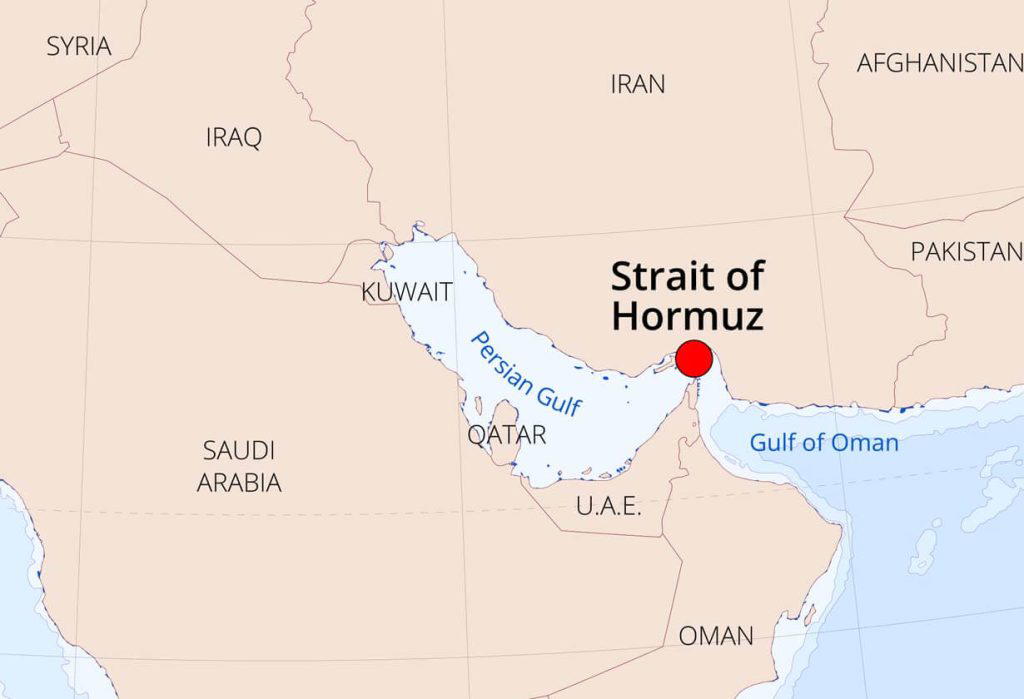
The United States and Iran announced that they had reached an agreement to end the conflict in the Middle East on all fronts, including Lebanon, and to reopen the Strait of Hormuz. The deal, however, did not provide clear details on Tehran’s nuclear programme.
Both Washington and Islamabad said the agreement would be signed on Friday in Switzerland, marking a potential breakthrough after months of fighting that have claimed thousands of lives and disrupted energy markets.
Few specifics were released, but U.S. President Donald Trump stated that the Strait of Hormuz, a critical route for global oil supplies, would reopen following the planned signing.
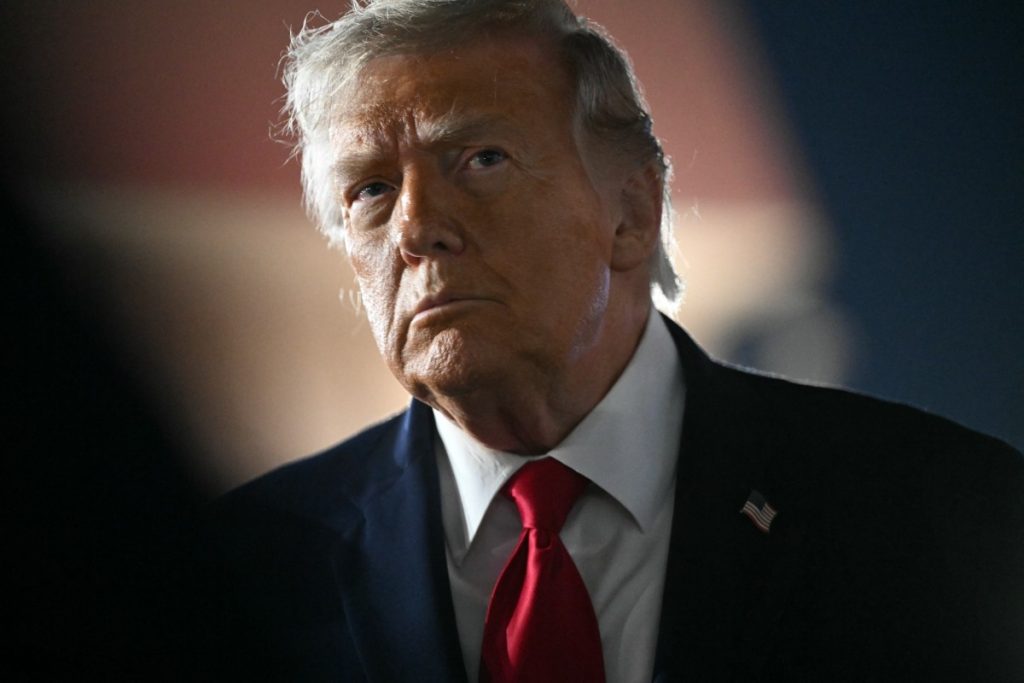
“The Deal with the Islamic Republic of Iran is now complete,” President Trump posted on social media on Sunday, his 80th birthday. “Ships of the World, start your engines. Let the oil flow!”
Shortly afterward, Iran’s Deputy Foreign Minister Kazem Gharibabadi said in televised remarks that the deal would bring an “immediate end” to the war and that the parties would hold further talks within two months to seek a “final agreement.”
Earlier in the day, Tehran had warned it would retaliate against an Israeli strike on the suburbs of Beirut that targeted Hezbollah, a threat that could have jeopardised the agreement.
Later, Pakistani Prime Minister Shehbaz Sharif announced that both sides had declared the immediate and permanent termination of military operations on all fronts, including in Lebanon. He thanked the leaders of Qatar, Saudi Arabia and Turkey for their mediation support.
– Details remain unclear –
The content of the agreement, which follows weeks of tense negotiations and periodic threats from Trump of renewed hostilities unless Iran reached a deal, remains largely undisclosed.
Iran’s Mehr news agency reported that the U.S. would release $12 billion in frozen assets to Iran before negotiations began. It cited a 14‑point “memorandum of understanding” that would release $24 billion in frozen Iranian assets during a 60‑day negotiation period starting after the MoU is signed.
The Trump administration did not immediately comment on the agreement’s specifics, which may prove contentious as the U.S. continues to push for an end to Tehran’s nuclear ambitions and to address its stockpile of highly enriched uranium, allegedly buried by U.S. strikes last year.
In an interview with the New York Times on Sunday, Trump said Washington was still negotiating whether Iran would suspend its enrichment for 20 years. He hinted that he might accept a 15‑year suspension but declined to discuss the matter in the press.
– ‘Seize the moment’ –
The announcement was met with international relief and optimism for a lasting end to the conflict.
UN Secretary‑General Antonio Guterres called it a “critical step” toward resolving the war in the Middle East.
The United Kingdom, France, Germany and Italy said they were ready to lift sanctions imposed on Iran and would work “with the U.S., Iran and regional partners to seize this moment, maintain momentum and achieve a long‑term diplomatic settlement.”
The announcement also led to market relief at the opening on Monday. Oil prices fell more than four percent in Tokyo, and Japan’s Nikkei stock index rose three percent.
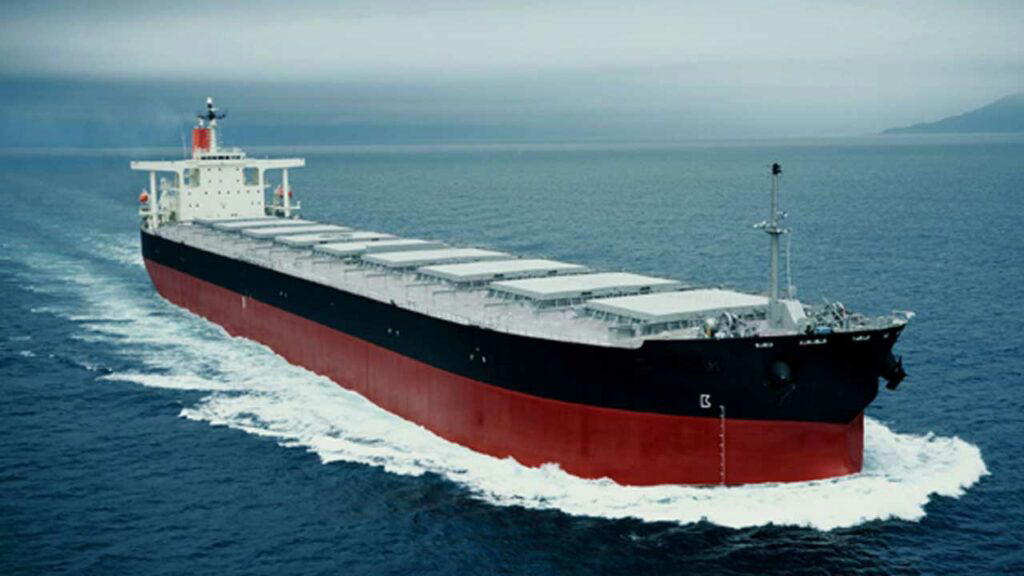
The blockade of the Strait of Hormuz has had a worldwide economic impact, from higher gas prices that have fueled inflation in the U.S. and other countries to congested supply chains for goods such as fertiliser essential to food production far beyond the Middle East.
“What we’re going to be able to do is drive down the cost of energy, not just now but for the long term, and create a real engine of prosperity in the Middle East,” U.S. Vice President J.D. Vance told Fox News. He said he planned to attend the signing of the peace deal in Geneva and that it was possible Trump could also attend.
– Israeli strike –
The day was turbulent, with Trump in the morning angrily blaming Israel for delaying the signing after the airstrike on Beirut, which he said had postponed the agreement.
In a profanity‑laden phone interview with U.S. news outlet Axios, Trump vented about Israeli Prime Minister Benjamin Netanyahu, saying, “I was so pissed off. I let him know.”
The last Israeli strike on the Beirut suburbs sparked one of the strongest jolts to a ceasefire that had largely held since April, prompting Iran to launch a retaliatory missile barrage and Israel to respond with further strikes.
Tehran has long insisted that any agreement to halt the war must also address the parallel conflict in Lebanon, where Israel has been conducting a campaign against Iran‑backed Hezbollah.
The post US, Iran reach deal to end war, reopen Hormuz appeared first on Vanguard News.


/https%3A%2F%2Fmedia.afrik-foot.com%2Fen-ng%2F2026%2F06%2F1780746625640.png)





 English (US) ·