
.png) 2 months ago
31
2 months ago
31
ARTICLE AD BOX
The Nigerian government has launched a Technical Working Group on Agricultural Produce Residue Standards to tackle the frequent rejection of Nigerian agricultural exports that fail to meet Maximum Residue Limits (MRLs) and other sanitary and phytosanitary standards.
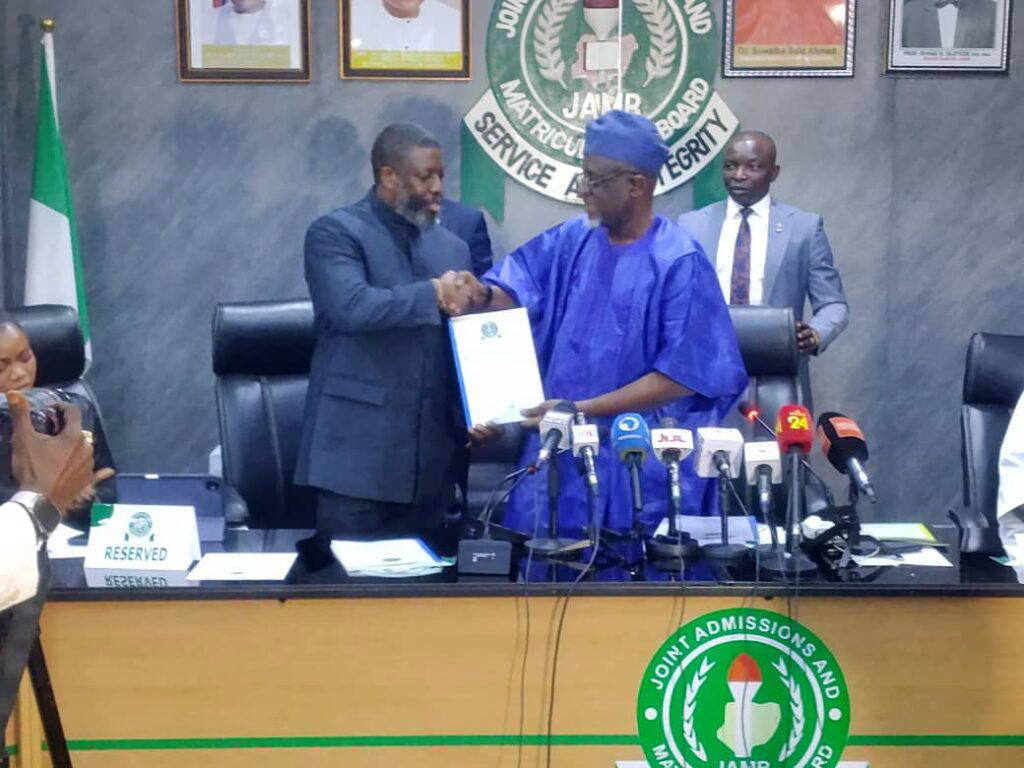
At a ceremony in Abuja on Monday, the Minister of State for Agriculture and Food Security, Aliyu Sabi Abdullahi, called the initiative “another significant milestone in the government’s commitment to ensuring food safety and strengthening Nigeria’s competitiveness in regional and international agricultural markets.”
He noted that “over the years, Nigeria has recorded several cases of export rejections of agricultural commodities due to non‑compliance with Maximum Residue Limits (MRLs) and other sanitary and phytosanitary requirements.”
These rejections, the Minister said, have caused economic losses, eroded market confidence, and deprived farmers, exporters, and agribusinesses of opportunities.
He added that “the growing concerns over pesticide residues, contaminants, and food safety issues demand a coordinated, science‑based, and multi‑sectoral response. This underscores the necessity for establishing this Technical Working Group.”
According to him, the TWG will serve as “a strategic platform for bringing together experts from government institutions, regulatory agencies, academia, research institutions, the private sector, commodity associations, and development partners to address challenges relating to agricultural produce residue standards in Nigeria.”
The Minister tasked the committee with developing practical, implementable, and sustainable solutions that will strengthen national food control systems, improve farmer compliance with safe pesticide use practices, and support access to premium markets for Nigerian agricultural products. He emphasized that the recommendations should be evidence‑based, inclusive, and aligned with global best practices while taking into account local realities.
Abdullahi said the TWG’s work will safeguard public health, improve the quality and safety of Nigerian agricultural produce, increase export earnings, and reduce post‑harvest losses associated with market restrictions.





 English (US) ·