
.png) 2 hours ago
4
2 hours ago
4
ARTICLE AD BOX
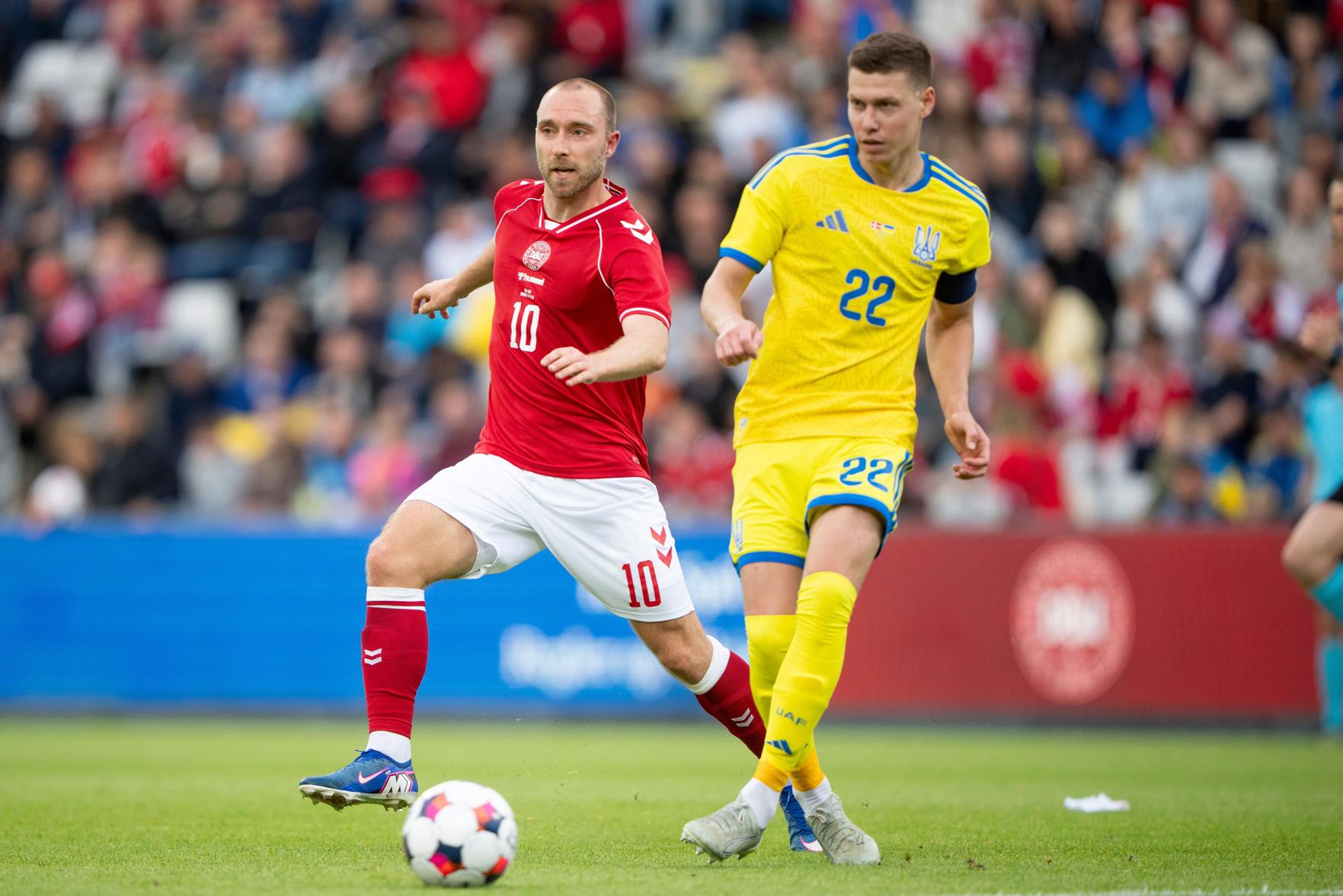
As the 2026 FIFA World Cup takes place across the United States, Canada and Mexico, Super Eagles supporters have been left to watch from the sidelines, according to Afrik‑Foot.
While the co‑hosts and debutants celebrate historic milestones and Africa enjoys a record number of spots in the tournament, the Super Eagles are absent.
Nigeria did not qualify for the World Cup for the second straight edition, even though FIFA expanded the competition from 32 to 48 teams and increased Africa’s allocation to 10 places. The disappointment is fresh because the squad contained some of the continent’s brightest talents, including Victor Osimhen, Ademola Lookman and Calvin Bassey.
The qualification campaign unraveled after a string of costly errors. Nigeria struggled through Group C, drawing with Lesotho and Zimbabwe before finishing behind South Africa. A late resurgence under coach Éric Chelle saw Osimhen score a hat‑trick in a 4‑0 win over Benin, but it was insufficient for automatic qualification.
The final heartbreak came in November in Rabat, Morocco, when Nigeria lost to DR Congo on penalties after a 1‑1 draw in the CAF playoff final. Frank Onyeka had given the Super Eagles a third‑minute lead before Mechak Elia equalised. Osimhen’s injury‑forced substitution at half‑time weakened Nigeria’s attack, and missed penalties from Calvin Bassey and Semi Ajayi ultimately ended the country’s World Cup dream.
World Cup: Watching others play while Nigeria stays home
For many Nigerians, the greatest pain has been seeing teams they consider less talented compete on football’s biggest stage while the Super Eagles remain absent.
Former Super Eagles midfielder and CAF Coach of the Year Kadiri Ikhana said the experience has been hard to endure.
“I feel ashamed watching the World Cup,” the former Enyimba boss said as reported by Pulse. “It is painful seeing countries that are not at the level of the Super Eagles participating while we are at home watching on television.”
That sentiment captures the mood of many supporters who believe Nigeria’s failure was not due to a lack of quality but to avoidable mistakes throughout the qualifying campaign.
The frustration is amplified by Africa’s record allocation of World Cup places. Morocco, Senegal, Egypt, Ivory Coast and DR Congo all qualified, while Nigeria missed out despite being a traditional football power on the continent.
Ikhana believes that fact alone highlights how badly things went wrong.
“When ten African countries qualified and Nigeria was not among them, it shows something went wrong. This is a problem we created ourselves because we were not serious when it mattered most,” he said.
The disappointment has been intensified by criticism of the Nigeria Football Federation’s planning, managerial instability and injury problems. During the qualification cycle, the team was led by three different coaches – José Peseiro, Finidi George and Chelle – while key players missed important matches through injury.
How Nigerians are coping with the World Cup
Despite the heartbreak, Nigerian supporters have still found reasons to follow the tournament.
Many have shifted their attention to fellow African representatives and countries with players of Nigerian descent in their squads. The opening‑day clash between Mexico and South Africa attracted significant interest as fans backed El Tri to beat Bafana Bafana as a form of protest against the handling of immigrants in that country.
There was also a bit of Nigerian interest in Promise David and Tani Oluwaseyi, who both impressed as Canada secured a 1‑1 draw with Bosnia and Herzegovina. Former Arsenal forward Folarin Balogun also added Nigeria to the World Cup conversation as his brace powered the United States to a historic 4‑1 win over Paraguay.
The upcoming clashes between Brazil and Morocco, as well as Portugal and DR Congo, will likely generate curiosity, especially as DR Congo were the side that eliminated the Super Eagles in the playoffs.
Some other Nigerians are focusing on Premier League stars who often dominate football discussions across West Africa. Matches such as England versus Croatia and Netherlands versus Japan offer opportunities to watch players from clubs like Arsenal, Chelsea, Liverpool and Manchester United.
Beyond football, Nigeria’s absence has had wider consequences. Viewing centres, bars and restaurants that usually enjoy packed crowds during Super Eagles matches have experienced lower attendance. The famous green‑and‑white Nigerian jerseys, which often become global fashion statements during World Cups, are missing from stadiums and fan zones across North America.
The silence has been felt among Nigerian communities abroad as well. Millions of Nigerians living in the United States and Canada had hoped to bring their colour, music and energy to the tournament. Instead, they have been left wondering what might have been.
As expected, the 2026 World Cup has become more than a football tournament. It is a month‑long reminder of missed opportunities, administrative failures and a talented generation led by Osimhen and Lookman that deserved to be performing on the world’s biggest stage rather than watching from afar.
/https%3A%2F%2Fmedia.afrik-foot.com%2Fen-ng%2F2025%2F01%2Fimago1056915274.jpg)


/https%3A%2F%2Fmedia.afrik-foot.com%2Fen-ng%2F2026%2F06%2F1780746625640.png)


 English (US) ·