
.png) 2 months ago
41
2 months ago
41
ARTICLE AD BOX
Michael Olugbode in Abuja
Health stakeholders have urged an immediate, grassroots‑driven overhaul of Nigeria’s primary healthcare system, arguing that weak accountability mechanisms and limited community involvement are eroding service delivery nationwide.
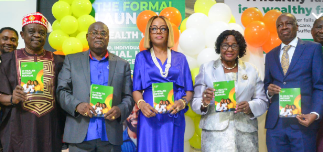
The appeal was made during a policy dialogue titled “The SCAPP Experience: Building Accountable PHC Systems from the Ground Up,” organized by the Health Sector Reform Coalition in partnership with BudgIT and other development partners.
Participants highlighted that Primary Health Centres (PHCs)—the first point of contact for millions of Nigerians, especially in rural areas—continue to suffer from inadequate funding, poor infrastructure, a shortage of health workers, and irregular supplies of essential drugs.
Speaking at the event, Special Adviser to the President on Health Salma Ibrahim Anas reaffirmed the federal government’s commitment to strengthening PHCs under the Renewed Hope health agenda.
“Primary healthcare remains the bedrock of an effective health system. If we fail at the grassroots level, the entire healthcare structure becomes overstretched,” she said.
Anas noted that the federal government has increased funding for primary healthcare through the Basic Health Care Provision Fund (BHCPF) and stressed that transparency and accountability must accompany these investments.
“We must ensure that resources allocated to healthcare directly impact communities and improve the quality of services available to ordinary Nigerians,” she added.
Dr. Kolawole Oluwafemi, Executive Director of the Health Sector Reform Coalition, also spoke, emphasizing the need for stronger citizen participation in the management of healthcare facilities.
“Communities must not be treated as passive beneficiaries. They must become active participants in monitoring healthcare delivery and demanding accountability from duty bearers,” he said.
Oluwafemi lamented that many PHCs remain in deplorable conditions despite repeated budgetary allocations to the health sector.
He explained that empowering citizens with information and monitoring tools would help curb corruption, improve service delivery, and restore public confidence in the healthcare system.
Similarly, Gabriel Okeowo, Country Director of BudgIT, underscored that data transparency and community engagement are essential to fixing Nigeria’s failing PHC system.
“Healthcare reforms cannot succeed without accountability. Citizens must know how public funds are spent and whether healthcare facilities are receiving what is budgeted for them,” he said.
Okeowo noted that many rural communities still lack access to basic healthcare services despite government interventions over the years.
Representatives of civil society organisations and development partners at the meeting also voiced concern over rising maternal and child mortality rates, attributing the trend partly to the poor state of primary healthcare facilities nationwide.
They urged state and local governments to prioritise healthcare funding, recruit more frontline workers, and improve monitoring systems to ensure efficient service delivery.
The stakeholders maintained that revitalising Nigeria’s primary healthcare system is essential to achieving Universal Health Coverage and reducing pressure on secondary and tertiary health institutions across the country.



 English (US) ·