
.png) 3 months ago
49
3 months ago
49
ARTICLE AD BOX
Onyebuchi Ezigbo in Abuja
The federal government has stated that Nigeria records more than 53,000 deaths each year from foodborne diseases, with children under five accounting for over 80 percent of these cases.
It warned that the country continues to bear a heavy burden of foodborne illnesses, with nearly 50 million cases reported annually.
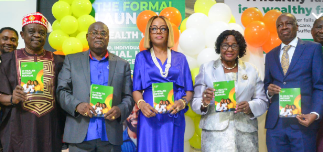
These figures were disclosed on Monday in Abuja by the Minister of State for Health and Social Welfare, Dr Iziaq Adekunle Salako, during the 2026 World Food Safety Day event held in the capital.
Speaking on the theme “From Burden to Solutions – Safe Food Everywhere,” Salako said the cost of unsafe food in Nigeria “is not only measured in sickness and death, but also in the lost cognitive, physical, and developmental potential of our children.”
As Nigeria joined the global community in marking the day, the minister said food safety has become a critical national development priority.
He added, “Today, Nigeria joins the global community to commemorate the 2026 World Food Safety Day under the theme ‘From Burden to Solutions – Safe Food Everywhere.’”
This theme is a powerful reminder that food safety is not merely a technical issue; it is a national development priority that affects the health, productivity, and wellbeing of every Nigerian.
Citing new estimates from the World Health Organization, the Minister noted that unsafe food causes about 866 million illnesses and 1.5 million deaths globally each year, with Africa carrying the highest per‑capita burden.
The minister warned of the implications of rising foodborne diseases, which could undermine child development and national productivity.
“In practical terms, this means the true cost of unsafe food in Nigeria is not only measured in sickness and death, but also in the lost cognitive, physical, and developmental potential of our children,” he said, adding that over 4.26 million healthy life years are lost annually.
He identified diarrhoeal diseases caused by pathogens such as Salmonella, E. coli, Shigella, Campylobacter and rotavirus as major contributors, alongside growing concerns over chemical contamination such as lead exposure in food and water sources.
The minister said Nigeria has recorded measurable progress in strengthening its food safety systems.
Highlighting improvements in national evaluation scores and surveillance frameworks, Salako said: “This means Nigeria is now one of the leading countries in the region in establishing functional systems for detecting, reporting, and responding to foodborne disease events.”
He also highlighted ongoing regulatory actions targeting unhealthy diets, including sodium reduction policies, trans‑fat elimination measures, sugar‑sweetened beverage taxation efforts, and the development of front‑of‑pack labelling systems.
Salako cautioned against complacency, urging relevant agencies to ensure stronger surveillance, improved market hygiene, expanded laboratory capacity, and stricter enforcement of food safety standards across the value chain.
“Food safety is not only about preventing infections; it is also about ensuring that the food we eat does not contribute to the growing burden of non‑communicable diseases,” he said.
He also urged the media to intensify public awareness campaigns, stressing their role in shaping behaviour and promoting accountability.
In a goodwill message delivered on behalf of the Country Director of Resolve to Save Lives, Nigeria, Mrs Nanlop Ogbureke, the organisation said the theme of the year’s event aligns with Nigeria’s broader public health priorities, particularly the prevention of cardiovascular and other non‑communicable diseases.
The organisation said it is working with government agencies and partners on sodium reduction, trans‑fat elimination, healthier food policies and public awareness initiatives aimed at improving nutrition outcomes.
It called for sustained collaboration across all sectors, including government, development partners, academia, civil society and the private sector, to strengthen food safety systems and promote healthier diets.
The Director, Food Safety and Applied Nutrition Directorate, Eva Edwards, who represented the Director‑General of the National Agency for Food and Drug Administration and Control (NAFDAC), Professor Mojisola Adeyeye, said the agency is committed to science‑based regulation, surveillance, and enforcement to ensure food safety across production, importation, distribution and consumption chains in Nigeria.
She said the theme, “From Burden to Solutions – Safe Food Everywhere,” underscores food safety as a public health and development imperative.
“Behind every statistic on foodborne disease is a child, a family, a community, or a business affected by preventable illness and loss,” she said.


 English (US) ·