
.png) 2 months ago
33
2 months ago
33
ARTICLE AD BOX
By Emem Idio
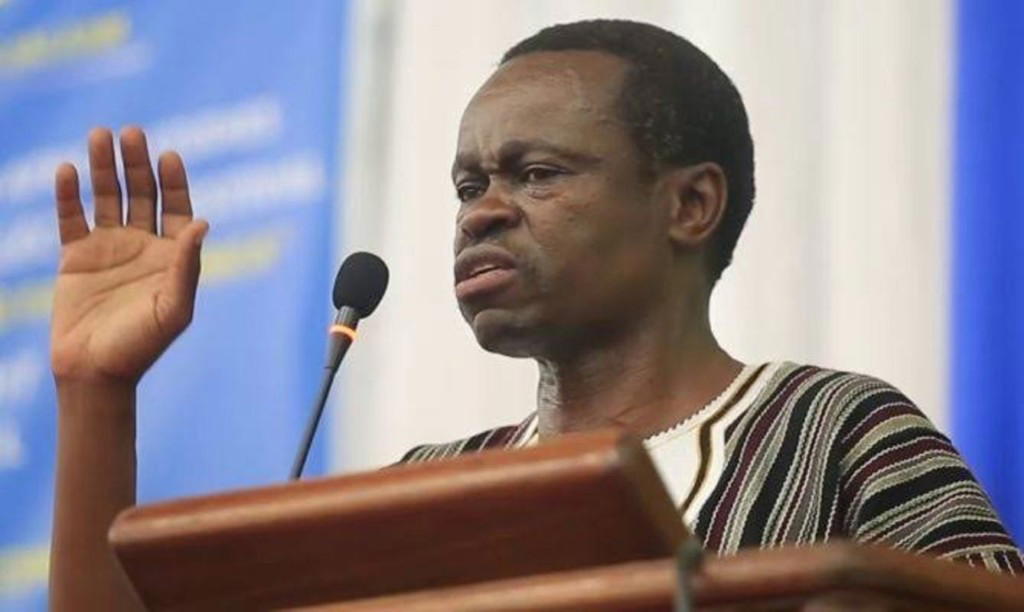
Former President Goodluck Jonathan and Kenyan lawyer and pan‑Africanist Prof. PLO Lumumba identified technological progress, educational reform and military capability as essential pillars for Nigeria’s future and for Africa’s position in the global order.
Read Also: My daughter was kidnapped day after I prayed for victims — Adelabu’s mother
The two speakers addressed the plenary session of the Nigerian Bar Association (NBA) Yenagoa Branch Law Week, held at the Nigerian Content Development and Monitoring Board (NCDMB) Conference Hall in Yenagoa, Bayelsa State, over the weekend.
Jonathan called for a comprehensive overhaul of Nigeria’s colonial‑era education system and for increased investment in science, technology and military strength. Lumumba urged African nations to adopt bold policies that would strengthen their economies, institutions and strategic influence.
Speaking on the theme “Securing the Future,” Jonathan lamented that Nigeria still operates an education system inherited from the colonial period, insisting that the country must redesign its educational framework to meet contemporary realities.
He said that securing the future begins with deliberate investment in human‑capital development.
“Before we secure the future, education must be properly planned. In Nigeria, we need a robust restructuring of our educational system. We have not changed from the colonial education system that we inherited,” he said.
Drawing a comparison with India’s rise in global technology and business, Jonathan noted that many of the world’s leading corporations are headed by Indians because of deliberate investments made decades ago in education and manpower development.
“If you look at some of the richest companies in the world today, many of their chief executives are Indians. These things do not happen by chance. It is because that country planned early and prepared the people who would eventually control strategic sectors of the global economy.”
“We cannot continue with the kind of educational system we have today. That was why, when I was President, I introduced the Presidential Scholarship for Innovation and Development. We identified critical disciplines in science and technology and selected the brightest minds, particularly first‑class graduates, and sent them to some of the best universities in the world so that we could develop men and women capable of moving this country forward.”
Jonathan stressed that technological innovation and military capability are indispensable for national relevance in today’s world.
“By now, we should be producing missiles, but we have not produced anything that can even travel 50 metres. Nobody respects a weak nation. That is why countries respect the United States because it has a strong military. I believe we need to strengthen ourselves,” he said.
In his keynote address titled “Securing the Future: Sustainable National Assets Protection in Africa: Opportunities, Risks and Regulatory Pathways,” Prof. Lumumba argued that Africa would continue to be marginalized globally unless it developed the capacity to protect its interests and resources.
According to him, strength remains a major determinant of influence in international relations.
“If you are weak, nobody respects you. The reality of the world today is the survival of the fittest. If Nigeria were to acquire a nuclear capability, which I encourage it to pursue, the country would be treated very differently.”
“Look at how North Korea is treated. Look at Russia. Look at Israel. When you are weak, you are consumed. Until Africa becomes strong, it will never be taken seriously.”
Lumumba said Africa’s future lies in greater unity, stronger institutions and harmonised legal and regulatory frameworks capable of protecting the continent’s economic interests.
“There is work to be done to secure our future, and that is where lawyers come in. Are the regulations in Nigeria harmonised with those of ECOWAS? Are they aligned with those of SADC and the East African Community? These are issues that require urgent attention.”
“The future of Africa, whether in the blue economy or other strategic sectors, depends on our ability to answer fundamental questions. Who protects our continental shelf? Who safeguards our Exclusive Economic Zones? Who mines our resources? Who manufactures our medicines, our clothes and our technology?”
The Kenyan scholar also questioned Africa’s dependence on foreign financial systems and currencies.
“Why should money transfers within Africa depend on correspondent banks in Europe or America? Why can’t Africa have a common currency? Twenty‑seven countries in Europe use one currency. Why can’t Africa achieve the same level of integration?” he asked.
Earlier, Chairman of the NBA Yenagoa Branch, Mr. Clement Kekemeke, said the theme of the Law Week transcended the legal profession and touched on key issues affecting national development and security.
According to him, protecting national assets remains a critical responsibility of governments across the continent.
“The theme, ‘Securing the Future,’ is not limited to the legal profession. It encompasses the rule of law, national security and the protection of national assets.”
“In Nigeria and other African countries, national assets include oil pipelines, maritime zones, critical infrastructure and government facilities. In recent years, the activities of pirates, oil thieves and terrorists have continued to threaten these assets, compelling governments to engage private security firms alongside statutory security agencies.”
The event featured a panel session involving the Minister of State for Petroleum Resources (Oil), Senator Heineken Lokpobiri; Chief of the Naval Staff, Vice Admiral Idi Abbas; Executive Director, Operations and Technical, Tantita Security Services Limited, Capt. Warredi Enisuoh; and Managing Director of the Niger Delta Development Commission, NDDC, Dr. Samuel Ogbuku.
Other dignitaries at the event included President of the NBA, Mazi Afam Osigwe, SAN, judges, senior lawyers and members of the Bench and Bar.
“The safety of lives and property must remain a priority. We pray that God will protect our communities and grant our security agencies greater success in their efforts to rid the country of criminal elements,” she added.
The post Nigeria’s future lies in tech, military strength — Jonathan, Lumumba appeared first on Vanguard News.






 English (US) ·