
.png) 3 months ago
50
3 months ago
50
ARTICLE AD BOX
The Nigerian Hypertension Society (NHS) has urged the Federal Government and the National Health Insurance Agency (NHIA) to prioritize the availability and affordability of antihypertensive medicines.
The society warned that the escalating cost of treatment is hindering many Nigerians with hypertension from managing their condition effectively.
It said the appeal is necessary because hypertension is a lifelong disease that requires continuous treatment, making affordable medication essential—especially amid Nigeria’s current economic challenges.
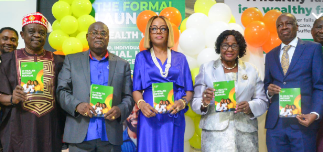
Prof. Simeon A. Isezuo, President of the NHS, made the appeal during a press briefing on Monday in Port Harcourt.
He noted that the rising burden of hypertension remains a major public health concern, with many affected individuals either unaware of their condition or unable to keep their blood pressure under control.
“In fact, one in every adult Nigerians has hypertension. And sadly, almost less than one in five of people with hypertension have their blood pressure under control,” he said.
Isezuo highlighted that poor control of hypertension exposes many Nigerians to life‑threatening complications such as stroke, chronic kidney disease, heart failure, and heart attacks.
He said the consequences extend beyond health, contributing to loss of life, reduced productivity, and increased financial pressure on affected families.
“Therefore, hypertension remains a silent killer in Nigeria,” he stated.
Despite these challenges, the NHS president emphasized that hypertension can be effectively managed when detected early and treated appropriately.
“There’s, however, good news, and that is the fact that hypertension is treatable,” he said.
He identified lack of awareness as a major obstacle, explaining that many people do not know they have hypertension because it often presents no symptoms.
Isezuo said the NHS conference in Port Harcourt brought together doctors, nurses, pharmacists, researchers, policymakers, and members of the public to discuss strategies for improving hypertension care and ensuring patients achieve recommended blood‑pressure targets.
He also urged Nigerians to regularly monitor their blood pressure and seek prompt medical attention when necessary.
“First, we want everybody, starting from those of us in this room, every Nigerian, to know their number. The number we are talking about is the blood‑pressure level. The only way one can know one’s number is by having the blood pressure checked,” he said.
The professor further appealed to journalists and media organisations to support efforts aimed at tackling misinformation about hypertension, particularly on social media platforms.
“Please, when you have to publish information, get an expert nearest to you and kindly confirm whether this is true or not before publication,” he advised.
He expressed confidence that increased public awareness, healthier lifestyles, regular blood‑pressure checks, and improved access to treatment would help reduce the burden of hypertension and enable affected Nigerians to live healthy and productive lives.
Also speaking at the briefing, Professor Chizindu Alikor, Chief Medical Director of Rivers State University Teaching Hospital (RSUTH), warned that hypertension remains a major public health challenge, especially among pregnant women.
He said hypertension‑related disorders in pregnancy, including preeclampsia, are major contributors to maternal mortality.
Professor Alikor stressed the need for increased public awareness, routine screening, and early detection to reduce preventable deaths linked to hypertension and its complications.


 English (US) ·